


Performance Marketing vs Digital Marketing: What Sails Your Boat?
- Subhodip Das

- Feb 13, 2025
- 3 min read

Choosing the right way to promote your business can feel tricky in a world where businesses use smart ways to connect with people. Two popular methods are performance marketing and digital marketing. However, we will explain in simple language, what they mean and how they differ. In this blog, we will explore performance marketing vs digital marketing to help you decide which strategy works best for your goals. So, let us dive in.
Evolution of Marketing from Traditional to Trending
Marketing has changed a lot over the years. In the beginning, businesses used traditional methods like TV ads, newspapers, and billboards to reach customers. These methods were helpful for local audiences but expensive and hard to measure.
With the internet, digital marketing became the go-to strategy, offering tools like social media, emails, and websites to reach people globally. Later, performance marketing emerged, focusing on specific actions like clicks or sales. Comparing performance marketing vs digital marketing, one targets instant results, while the other builds long-term connections.
This evolution shows how businesses adapted to stay relevant and effective. Now, let us explore more about the trending marketing strategies- performance and digital and how you can use them together to achieve success.
What is Performance Marketing?
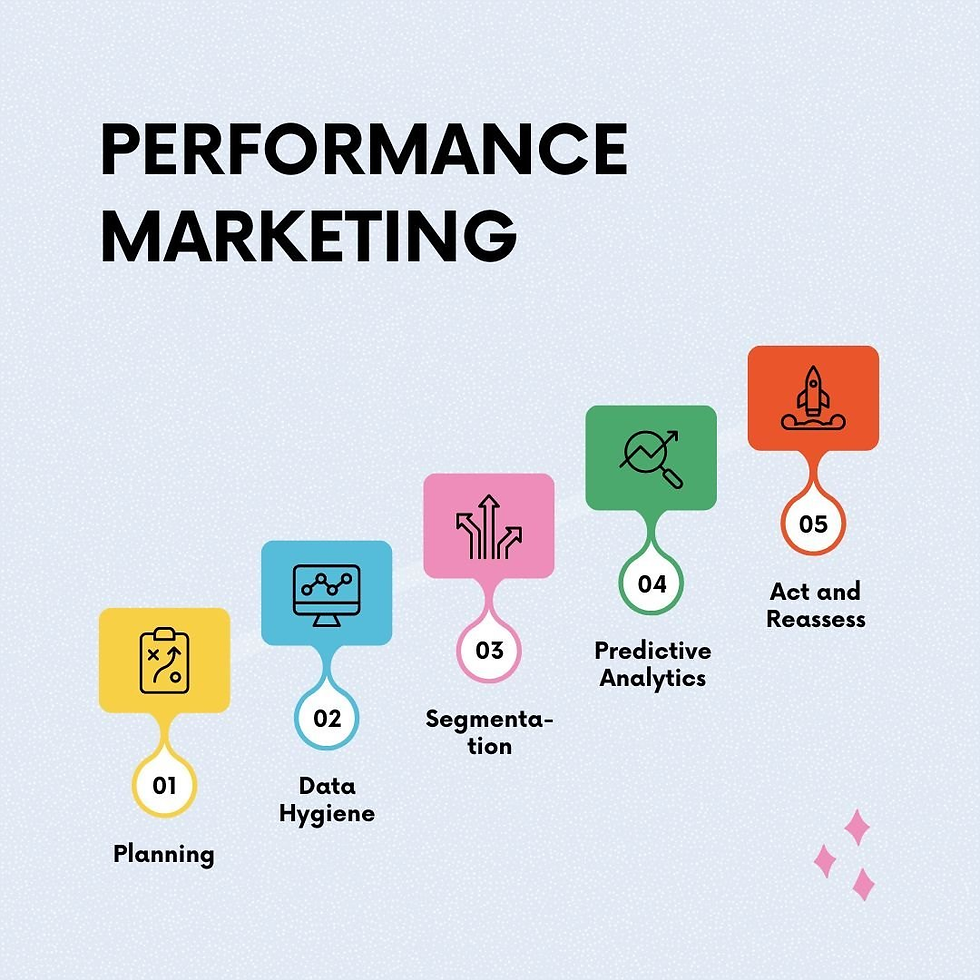
Performance marketing is a way of promoting products or services where you pay when you receive the desired result. For example, a business pays for every click, sale, or sign-up they get from an advertisement. It focuses on results and is very useful for tracking how well advertisements work. When comparing performance marketing vs digital marketing, performance marketing is all about getting quick results and making sure every penny spent on advertisements brings some benefit to the business.
What is Digital Marketing?

Digital Marketing is promoting products or services using the Internet. It includes many activities like sharing posts on social media, sending emails, and running advertisements on websites. Businesses use digital marketing to connect with people, share information, and grow their brands. Unlike performance marketing, which focuses on results, digital marketing looks at the bigger picture. The benefits of digital marketing are building strong relationships with its audience, creating brand awareness, and reaching more people in the online world.
A Comparative Study Between Performance and Digital Marketing
Both methods are valuable, but choosing one depends on your goals. However, the table below will make it clear that digital marketing is way more efficient, flexible, and global.
Aspect | Performance Marketing | Digital Marketing |
Focus | Immediate results like clicks, sales, or leads. | Long-term brand awareness and customer engagement. |
Payment Model | Pay only for specific actions like sales, sign-ups, or clicks. | This may include fixed costs for advertisements, content creation, or campaigns. |
Pros |
|
|
Cons |
|
|
Best For | This is for businesses needing quick results and significant outcomes. | This is for businesses aiming for sustainable growth and a strong online presence. |
Examples | Pay-per-click advertisements, cost-per-impression (CPI), affiliate marketing, etc. | Social media, email marketing, SEO, and content marketing. |
The table compares performance marketing vs digital marketing, highlighting their strengths in modern marketing. However, strategies have evolved significantly from traditional methods like TV, newspapers, and billboards. When looking at digital marketing vs traditional marketing, traditional methods are more expensive and harder to measure, while digital marketing is cost-effective and offers better tracking and reach.
How Can We Combine All the Forms for Maximum ROI?
Instead of comparing performance marketing vs digital marketing or digital with traditional marketing, businesses can use them together to get maximum ROI.
Performance marketing works well for quick results like sales, leads, or sign-ups. Digital marketing builds your brand by sharing helpful content through social media, SEO, and B2B content writing such as blogs and articles, etc. Lastly, traditional marketing has always been known to build trust. Combining all three ensures the best and maximum ROI.
For example, you can run performance marketing ads to attract new customers instantly while digital marketing methods like emails or social media posts keep customers engaged. Adding traditional marketing, like flyers or local events, can build trust with specific communities. Together, these strategies drive quick results, long-term relationships, and local connections.


Comments